
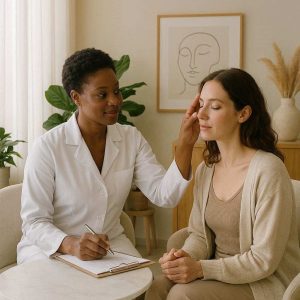
 Mental health has become an important topic across many industries, including the wellness and beauty sector. Today, many professionals understand that emotional well-being and self-image are closely connected. This is especially true inside the Gillmed Aesthetic Institute, where clients often seek services that affect both appearance and confidence.
For many people, appearance can influence self-esteem. Skin concerns, signs of aging, and other physical changes sometimes affect how individuals feel about themselves. While aesthetic treatments may improve appearance, responsible professionals also recognize the importance of emotional health. Aesthetic care should support confidence without creating unrealistic expectations.
The growing awareness around mental health has changed the way many institutes approach patient care. Consultations are now becoming more focused on communication, emotional understanding, and realistic treatment goals. Practitioners are encouraged to listen carefully to clients and understand the reasons behind their treatment requests.
Mental Health Awareness Effects
This shift is important because not every concern can be solved through cosmetic procedures alone. Some individuals may struggle with anxiety, stress, or emotional pressures related to social expectations and online beauty standards. Responsible aesthetic professionals must recognize when emotional support or counseling may be more appropriate than additional treatments.
Social media has strongly influenced self-image in recent years. Constant exposure to edited photos and beauty filters can create unrealistic standards. Many individuals compare themselves to online images that do not reflect real life. This pressure can increase insecurity and emotional stress, especially among younger audiences.
Aesthetic institutes now play an important role in promoting healthier conversations about beauty and self-worth. Instead of encouraging perfection, many professionals focus on natural enhancement and self-confidence. This approach helps clients maintain healthier expectations about aesthetic treatments.
Mental wellness also affects physical appearance. Stress, poor sleep, anxiety, and emotional exhaustion can contribute to skin problems, hair concerns, and premature aging. Because of this connection, some institutes include wellness discussions as part of their consultations. Clients may receive guidance on stress management, sleep habits, hydration, and healthy lifestyle practices.
Another positive development is the growing emphasis on patient education. Clients today want to understand procedures, recovery times, risks, and expected outcomes. Honest communication helps reduce fear and confusion while building trust between practitioners and patients.
Training programs inside aesthetic institutes are also evolving. Students now learn not only technical procedures but also communication skills and patient care ethics. This helps future professionals understand the emotional side of aesthetic practice. A client’s emotional well-being should always be considered alongside physical treatments.
Burnout and emotional stress are also common among professionals working in wellness industries. Long hours, high expectations, and constant interaction with clients can affect mental health. Many institutes now encourage healthier work environments and stress management support for staff members as well.
The concept of self-care has expanded significantly over the years. It is no longer only about physical appearance. Self-care now includes emotional balance, stress reduction, and healthy personal boundaries. Aesthetic care can support self-care when it is approached responsibly and realistically.
Family, work pressure, and modern lifestyle demands also contribute to emotional exhaustion. Many people seek aesthetic treatments not simply to change how they look, but to feel refreshed and regain confidence. Even small improvements in appearance can positively affect emotional well-being when expectations are healthy and realistic.
However, ethical responsibility remains extremely important. Professionals must avoid encouraging unhealthy dependence on cosmetic procedures. The goal should always be to support confidence, not insecurity. Ethical aesthetic practice focuses on patient well-being instead of excessive treatment recommendations.
As mental health awareness continues to grow, aesthetic institutes are becoming more mindful of their influence on self-image and confidence. The industry is slowly moving toward a more balanced and wellness-focused approach that values emotional health alongside physical appearance.
The Connection Between Emotional Wellness and Aesthetic Care
The relationship between emotional wellness and aesthetic care is becoming easier to understand. Many people notice that when they feel emotionally stressed, their physical appearance also changes. Skin may look tired, sleep patterns may become unhealthy, and stress can increase inflammation and breakouts. Because of this, many professionals inside an Aesthetic Institute now take a more holistic approach to treatment.
Stress is one of the most common factors affecting both mental and physical wellness. Long-term stress can influence hormone levels, sleep quality, and skin condition. Some people experience acne flare-ups, dull skin, or hair thinning during emotionally difficult periods. While aesthetic treatments may improve visible concerns, long-term wellness often requires lifestyle improvements as well.
Sleep is another major factor connected to appearance. Lack of sleep may cause dark circles, dehydration, and tired-looking skin. Many aesthetic professionals now encourage better sleep habits alongside skincare recommendations. Simple lifestyle adjustments sometimes provide significant improvements.
Confidence also plays an important role in emotional health. Feeling comfortable with one’s appearance can improve social interaction, communication, and self-esteem. For some individuals, aesthetic treatments help restore confidence after major life changes such as aging, pregnancy, or stressful experiences.
However, responsible practitioners understand that cosmetic procedures should never replace emotional support or therapy when needed. Mental wellness requires balance. Ethical professionals recognize the importance of realistic expectations and emotional readiness before recommending treatments.
Another growing trend is wellness-focused treatment planning. Instead of offering isolated cosmetic procedures, many clinics now discuss hydration, nutrition, stress management, and daily habits. Patients appreciate care that supports overall health rather than only short-term appearance changes.
The popularity of non-invasive procedures also reflects changing attitudes toward beauty. Many clients prefer subtle improvements that make them look refreshed instead of dramatically different. This trend supports healthier self-image because it focuses on enhancement rather than complete transformation.
Younger generations are especially influenced by social media beauty culture. Constant comparison to filtered images can affect self-confidence and emotional stability. Aesthetic professionals now have greater responsibility to promote realistic standards and honest communication about treatment outcomes.
Emotional wellness is also important during recovery periods after treatments. Patients who fully understand procedures and recovery expectations often experience less anxiety. Clear communication helps reduce fear and improves the overall treatment experience.
Professional training increasingly includes patient psychology and communication skills. Practitioners are encouraged to recognize emotional distress and avoid pressuring clients into unnecessary treatments. This creates a safer and more supportive environment for patients.
The idea of “feeling good” has become broader than simply looking younger or more attractive. Many people now seek treatments because they want to feel healthier, more energized, and more confident in daily life. This shift reflects the growing connection between wellness and aesthetic medicine.
Technology has also improved personalized care. Skin analysis tools and wellness assessments help practitioners recommend treatments based on individual needs rather than general beauty trends. Personalized care often leads to better satisfaction and healthier treatment decisions.
As emotional wellness becomes more recognized within aesthetic care, the industry continues moving toward more compassionate and patient-centered practices. This evolution benefits both clients and professionals by encouraging healthier relationships with beauty and self-image.