
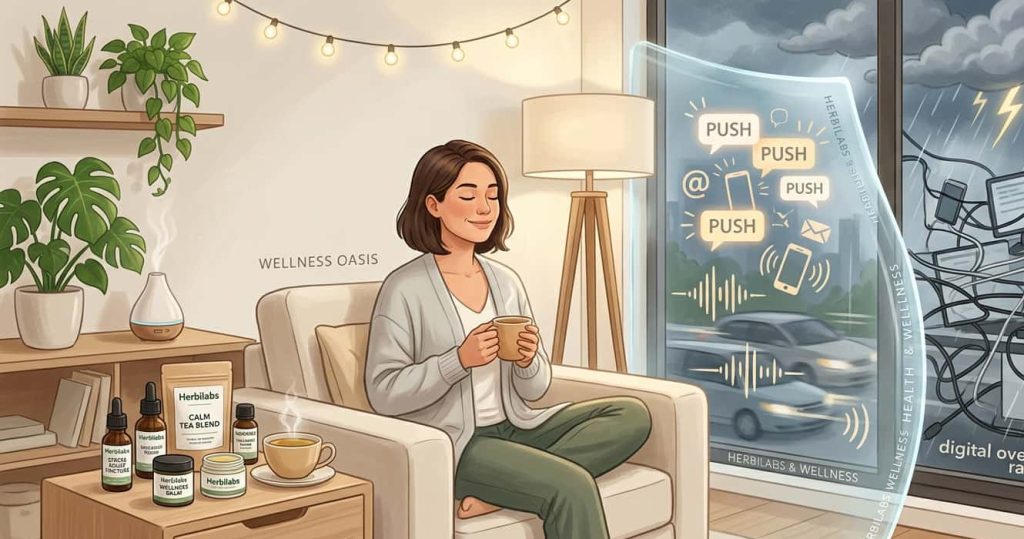
Modern life places people under constant psychological pressure. Notifications arrive nonstop, work schedules blur into personal time, sleep patterns become inconsistent, and social expectations continue to grow through digital platforms. These external stressors can gradually affect emotional balance, mental clarity, and overall well-being. Within this broader wellness conversation, brands like Herbilabs are becoming associated with holistic lifestyle support.
Understanding the Impact of External Stressors
Mental health is shaped not only by internal emotions or medical conditions, but also by the external environments people experience every day. Modern lifestyles expose individuals to multiple forms of overstimulation that can accumulate over time. Common external stressors include:
- Constant digital notifications and screen exposure
- Workplace deadlines and performance pressure
- Poor sleep caused by irregular schedules
- Social anxiety and online comparison culture
- Noise pollution and crowded urban environments
These influences can affect concentration, mood, sleep quality, and emotional regulation. Over time, chronic stress may contribute to burnout, fatigue, and difficulty maintaining mental balance.
Because many of these stressors are built into modern routines, protecting mental health increasingly requires intentional lifestyle management rather than reactive coping alone.
Shifting toward Holistic Wellness Approaches
As conversations around emotional well-being evolve, people are moving away from the idea that mental wellness depends on a single solution. Instead, there is growing recognition that mental resilience is supported through a combination of habits, routines, and environmental adjustments. This holistic approach often includes:
- Consistent sleep schedules
- Physical activity and movement
- Balanced nutrition and hydration
- Mindfulness or relaxation practices
- Reduced digital overstimulation
Within this framework, wellness-oriented brands like Herbilabs become part of a broader self-care ecosystem. Products marketed for relaxation, sleep support, or daily wellness are often used alongside healthier lifestyle choices rather than as replacements for them.
Sleep, Recovery, and Mental Resilience
One of the most significant external influences on mental health is poor sleep. Long work hours, nighttime screen exposure, and irregular routines can interfere with the body’s natural recovery processes. When sleep quality declines, stress tolerance and emotional regulation often decline as well. Mental fatigue caused by inadequate rest can lead to:
- Increased irritability and anxiety
- Difficulty concentrating
- Reduced energy and motivation
- Greater sensitivity to stress
For this reason, many wellness strategies focus heavily on improving sleep hygiene. This may involve limiting screen use before bedtime, maintaining consistent routines, and creating calmer nighttime environments.
Wellness brands like Herbilabs are frequently discussed within this context because many consumers are looking for supportive routines that complement healthier sleep habits. However, experts generally emphasize that sleep improvement works best when multiple lifestyle factors are addressed together.
Reducing Overstimulation in a Digital Environment
Modern digital culture creates constant mental stimulation. Smartphones, social media feeds, streaming content, and work-related messaging systems keep many people mentally engaged for extended periods without meaningful downtime.
This nonstop exposure can contribute to cognitive overload and emotional exhaustion.
As a result, mental health conversations increasingly include strategies focused on reducing unnecessary stimulation and creating healthier boundaries around technology use.
Some of the protective habits that you, as a person may try include but not limited to:
- Scheduling screen-free periods during the day
- Limiting social media exposure
- Practicing mindfulness or meditation
- Spending more time outdoors or in quiet spaces
- Creating structured work-life boundaries
In this environment, wellness routines are often used to reinforce moments of recovery and decompression. Products associated with relaxation or stress support are typically most effective when combined with intentional changes in daily behavior and environment.
Building Long-Term Mental Wellness through Routine
One of the most important aspects of protecting mental health is consistency. Occasional self-care efforts may provide temporary relief, but long-term resilience usually depends on sustainable routines that support emotional and physical recovery over time such as exerting efforts to maintain:
- Healthy sleeping habits
- Balanced nutrition
- Regular exercise
- Social connection and support systems
- Structured relaxation practices
Wellness-focused products, including those associated with Herbilabs, are increasingly positioned within this larger conversation about routine-based mental health support. Rather than promising immediate transformation, they are often incorporated into broader wellness lifestyles designed to improve balance and reduce stress accumulation gradually.
This perspective also reinforces an important distinction, wellness products may support healthy habits, but they are not substitutes for professional mental health care when serious emotional or psychological conditions are present.
What You can Do to Preserve Your Mental Health?
Protecting mental health in modern life requires more than reacting to stress after it appears. It involves building routines and environments that reduce overstimulation, support recovery, and encourage long-term emotional balance.
As awareness around wellness grows, brands like Herbilabs are entering conversations about holistic lifestyle support and mental resilience. Their role is best understood not as standalone solutions, but as part of a broader ecosystem that includes healthy sleep habits, stress management, mindfulness, balanced nutrition, and intentional digital boundaries.